




Blog - Inspiration

How to Make an Interior Design Mood Board in Four Easy Steps
Redecorating a room in your home or ready to totally overhaul your space? A great starting point can be using an interior design mood board to set the tone of your brand-new space and creating one will help curate and narrow down what you want it to look like. Think of it as a place to brainstorm your vision before bringing it to life. It’s a fun, helpful way to dream big and help create a space perfectly tailored to your lifestyle and taste.
There are a few ways to go about creating a design mood board, so let’s get started.
Step 1: Choosing Your Medium
Gathering images and inspiration for your interior design mood board can be done by gathering images online, or through physical objects, but how you display them is up to you. Choose between a physical design mood board or an online one before you start looking for inspiration. Here’s a quick breakdown on each option:
Physical
Creating a physical interior design mood board by using a corkboard, poster board or any flat surface like an empty wall or spare table is a great option if you prefer physical photos and want tactile pieces in your design mood board.
Online
If you’d rather curate your board on the go, try using an online platform. Websites and apps like Pinterest and Canva are valuable sources of inspiration from around the internet. Both are free and easy to use, and come with tons of access to photos, motifs and beautiful images you can draw your own ideas from.
Pinterest allows you to pin images from all over the internet to different boards so you can customize your inspiration by room, colour, style and more. The versatility of this option makes it the easiest way to cultivate an online interior design mood board. If you’re new to Pinterest, The Brick’s Pinterest page can help you get started.
If you’re into a more streamlined design mood board, Canva is an online, user-friendly graphic design tool that lets you see your inspired images on one page. It can be an excellent way to visualize how the pieces you’ve curated go together.
You can also use tools such as Photoshop or any number of mobile interior design mood board apps as they work in similar ways. Or, keep it simple by gathering images and saving them in a photo folder on your phone or computer for easy access when you can't be on the internet.
Whichever medium you choose is a matter of preference and how you want to go about gathering inspiration. An interior design mood board doesn’t have to be fancy or high-tech, it just has to work for you.

Step 2: Looking for Inspiration
Once you have decided where and how you’re going to display your design mood board, it’s time to start finding inspiration.
Fun Tip: Consider the look, aesthetic, and overall vibe you want for your space and look for those terms when searching. Descriptive style words like glam, cozy, rustic or country can help inspire and refine your search.
Where to Look
If you aren’t sure where to look when building your interior design mood board, we recommend checking out some of our blogs about interior design such as country style, what to do with an unused dining room, or even furniture trends for 2023. We also have My Brick Home, where we share inspiration throughout the seasons, already organized by room for your convenience.
Plus, you can search our website for descriptive words like retro, cozy, glam, country, industrial and more to find furniture inspiration for your design mood board. We’re also on Instagram where you can find fun ideas and photos to draw inspiration from.
Don’t forget to search magazines, books, print outs and other physical media sources. And remember to look for inspiration outside of the box: fabric samples, paint swatches, art, or even items straight from nature like flowers, shells, and wood can be wonderful additions to your interior design mood board. Drawing ideas from your surroundings is a creative experience, so anything goes. If it inspires you, put it on the board!
If you know what kind of colour palette you’re looking for, half of the battle is already done! Narrow down your search to include these colours and you’ll be well on your way to creating your design mood board. If you are looking for a general vibe rather than specific colours to start off with, that’s okay too! Head straight into searching for styles over colour.
Step 3: Collecting Inspiration
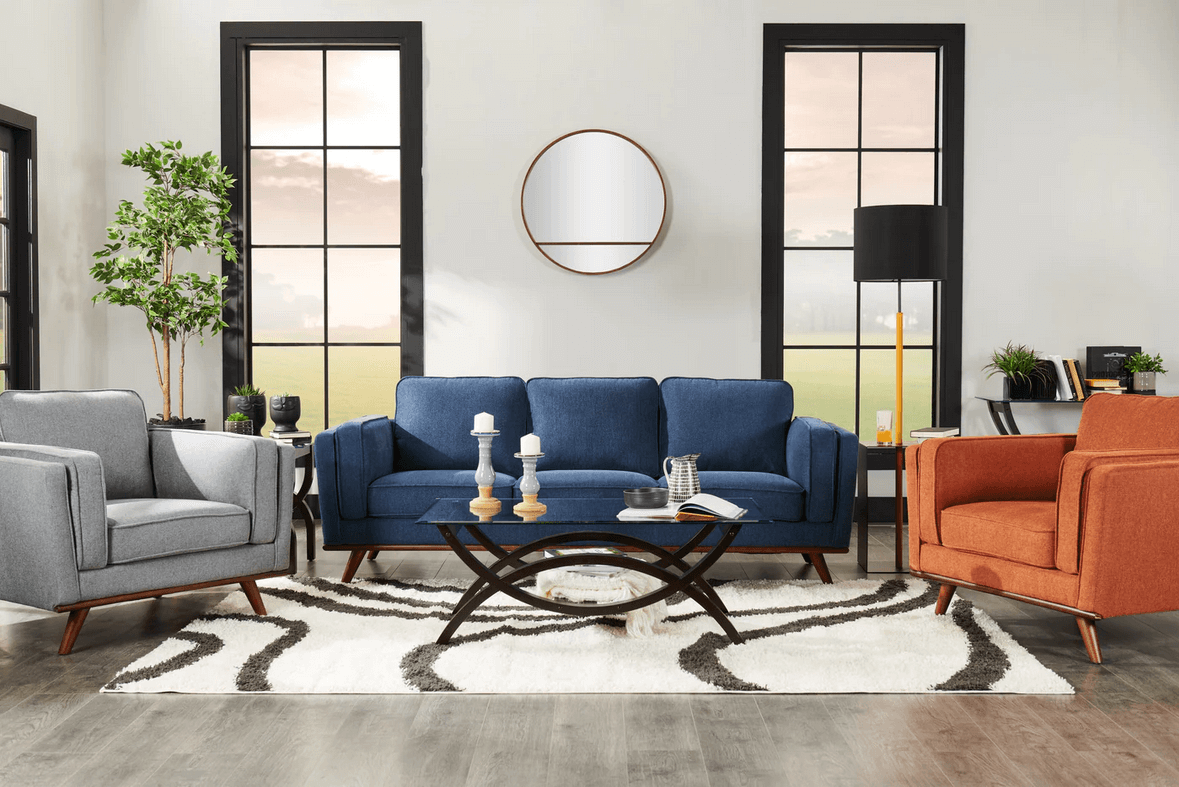
Start pinning, screenshotting, printing out and collecting whatever inspires you, and add it all to your design mood board. There can be just a few things or lots to look over if needed. The more you search for inspiration and start to collect images that speak to you, the easier it will be to narrow down items for your new space later. It can be overwhelming to start, but take note of everything that catches your eye for now, as this is just the collecting phase.
You can put images of anything on your board, but if you come across pieces that you’re looking for, like a bed in a bedroom design mood board or a couch for a living room design mood board, keep it! Even if you wind up not purchasing that exact item, it can help guide your search. Having a focal point to work around can be helpful too - if you already have an item you want to build the room around, start there and work outwards.
Fun Tip: If you find yourself on furniture websites, add items you like to a wish list or favourites page (if available) and make note of it in case you want to purchase them later on.
There is no rush in creating a space you love. When designing using a mood board, you can add everything that inspires you at once and sort through it later or organize it as you go. This part is personal to how you like to organize and visualize ideas.
Step 4: Curating the Inspiration
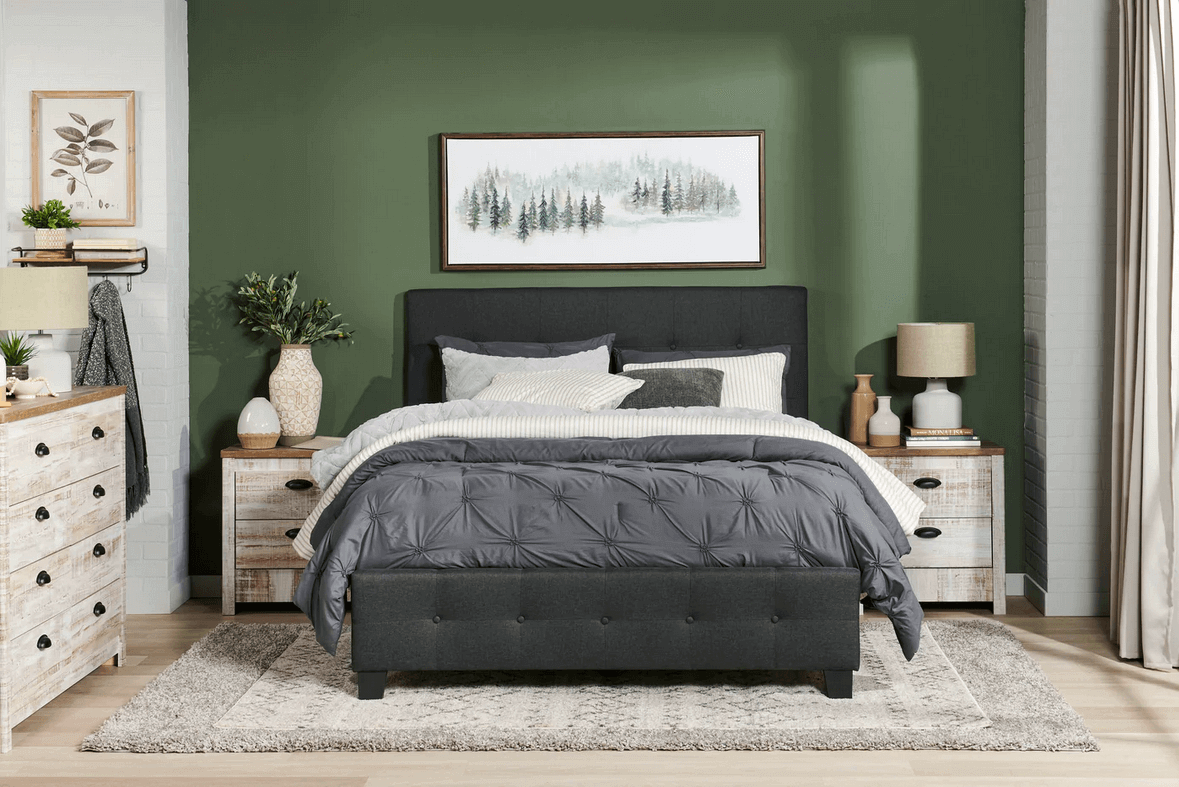
Once you are done gathering ideas and imagery, it’s time to narrow it down. This is an important step in bringing your interior design mood board to life, so take some time to go over it. See if you have the same colours throughout or the same styles, and don’t forget to look for themes, colour palettes and aesthetics that truly showcase how you want your space to be. Remove anything from your interior design mood board that no longer inspires you or won’t work for your room and focus in on what will help create your vision. This process can take as long or as short a time as needed, just until you are happy with what you have. Remember that your design mood board is meant to guide you in your shopping journey and be a reference point, so make sure it only showcases what you really want your room to evoke.
Once you have narrowed down your board to what truly inspires you, voila! You’ll have created your very own interior design mood board.


Extra Step: Start Shopping!
Now that you have a clear vision of what you would like your space to look like, you can start shopping. Begin your project by referencing back to any of your favourited items, or search in store and online.
The Brick has something for every room. From bedroom furniture to appliances, electronics, mattresses and even patio pieces, there is something for everyone and every design style. We hope this guide on how to make a mood board has inspired you, and we can’t wait to be a part of bringing your vision from the board to real life! Shop at thebrick.com to get started on your redecorating journey.
- Kailey Friedrich

Finding the Right TV Placement in Your Home
Whether you’re buying a new TV or re-housing an existing one, it’s time to find the perfect spot for it to go. If purchasing, and you have decided what TV to buy, the next step is to place it. Playing around with placement lets you find the sweet spot of comfortability and quality, with an ideal viewing angle that gives your neck and eyes as little strain as possible. There are just a few things you need to keep in mind when placing your TV, and in the end, you’ll be able to happily enjoy family movie nights in comfort.
First, make sure your television gets placed in a spot with accessible power supply to support the screen and any other electronics you need, such as video game consoles or sound systems. Extension cords might make things easier, but as a permanent fixture they can be annoying and easy to stumble over. Try to place your TV away from high-traffic areas, as accidents can happen, especially if there are pets or children around.
Decide on which wall you want to place your television. Do you want it to be the focal point of the room, or do you have another main attraction you want to show off? Consider placing your screen on the opposite wall from the main focal point for a balanced room. However, remember to look out for how the sun hits the spot you’ve chosen. Sun glare can make even the most expensive screen look washed out and desaturated, so you will want your TV in a darker area to avoid having to close the curtains every time you want to catch a game.

Keep the seating as central to the television as you can. It’s better for the body to face the TV head-on, and this is also how you get the best viewing experience. Depending on personal preference, the ideal screen-to-eyes distance is around 1.6 times the diagonal length of the TV. For example, the ideal distance for a 55” TV is about 7.5 feet. Using this calculation, you get an immersive experience while achieving the highest possible perceived image quality.
Ease neck and eye strain by placing the center of the screen as close as to eye-level as possible. This is generally around 42” from the floor but can vary. To test possible heights, you can place a piece of tape on the wall and try staring at it from your spot on the sofa to see if it would be comfortable for hours on end. A TV that’s too high or too low can sometimes cause physical pain – this is why placing your television on top of a mantlepiece or above a fireplace can be a bad idea. Since the angle of the screen can affect viewing quality, consider investing in a mount that can extend and tilt if you decide to place it higher up. The end goal is for you to look at the TV straight on, so you can stay comfortable while binge-watching your favourite shows.

Once you know where to place your TV in your room, the next step is to consider how. Decide if you are looking to mount it on the wall for a sleek and subtle look or place it on a console to add style and substance. You can even wall-mount your screen above a console for a modern appearance that still maintains the practicality of shelving and storage.
If you’re worried about how the final result will look, remember that televisions can be beautiful – some TVs come with thin bezels and the ability to appear like framed artwork on your wall. Samsung’s The Frame collection even has customizable bezels so you can create a stunning living room that suits your personality.
Any TV can look chic with some attention to detail. Surround your screen with artwork or photographs for a gallery-wall look, or integrate it into your decor by adding plants, books and decorative items around it. You can also get an entertainment centre to frame and tone down the presence of your television. Decorating around your TV gives the eye plenty of items to focus on, resulting in the black screen not being too imposing or distracting. This ensures your living room will be a beautiful space, perfect for resting, relaxing and catching up on recent releases.

Placing a TV might seem complicated, with so many facts and numbers involved, but in the end it’s about how it feels to watch the screen from your seat. By testing different placements and learning what you like, you’re bound to find the sweet spot that has all your needs covered. Decor can be moved and added as you figure out what works and doesn’t, so don’t overthink the choices you make. And once you’re comfy and the TV is placed, you can pop the popcorn, invite your friends and enjoy night after night of movie marathons and comfort shows.
- Kailey Friedrich

Decluttering Your Home for Spring
As the sun comes out and ushers in warmer weather, you’re no doubt ready to open the windows and get started on some spring cleaning, but hold that thought. Before the spring cleaning should come an often-overlooked step to refreshing your home – spring decluttering.
Houses tend to get a little cluttered over the winter when we’re spending more time indoors and hanging onto everyday items. However, the less clutter you have filling your home, the easier it is to clean.
Keep reading for some decluttering tips that will help you tackle different rooms in your house to ensure a fresh, clean slate for spring. Plus, check out the Brick’s blog for more of what to include on your spring cleaning checklist.
Closet Cleanout

Let’s start in the bedroom – or more specifically, the closet. A decluttered closet is much easier to keep organized, and it helps start your day off on a more positive note when you don’t have to fight through an overfilled rack of clothes.
Consider going through each article of clothing and separating out the ones you haven’t worn in a long time, since there’s a good chance these won’t be missed. In the future, try the hanger tip – place all your hangers backwards, and after you wear and wash something, put it back on a hanger facing the correct way. If there are any hangers still left backwards after six months, then it's time to give those garments a new home.
Decluttering your closet will save you both time and energy in the future. Plus, it will make returning clothes at the end of the day easier, translating to a cleaner bedroom with less garment pileups.
Living Room Revamp

For most people, the living room is considered the hub of the home. For this reason, it’s easy for toys, books, blankets, miscellaneous cords and more to pile up from everyday use. When it comes to decluttering the living room, try to find the most efficient way to keep these items organized yet still within reach.
Consider a stylish accent cabinet or ottoman with a storage compartment that provides somewhere to keep your family’s belongings while also refreshing your space. Another option for decluttering your living space is to add a bookshelf, which can hold more than just the obvious – organize and display knick knacks, magazines, plants and more to add some rustic charm to your living room.
There’s nothing better than relaxing on the couch after a long day, and doing so is much easer in a clean, serene space. Plus, the less there is to dust and vacuum in your living room, the better.
Bathroom Tidy

Bathrooms tend to be both the smallest and messiest rooms in any home. Between soaps, lotions, makeup, medicine and other everyday toiletries, it doesn’t take long for your bathroom cabinets to start bursting at the seams with products. It doesn’t have to be that way, though – read on for some helpful bathroom decluttering tips to keep this well-used space organized.
An easy way to start decluttering is to go through the bathroom and throw away any expired products. Remove expired medication from the medicine cabinet, check expiry dates on your makeup and creams and give them all a toss if they’re well past their prime.
Then, focus on only keeping products you use regularly. Stretched out scrunchies and hair ties, old loofahs and hair tools that haven’t been touched in months don’t need to be taking up space. For clean items in good condition, consider donating. Otherwise, to the bin they go!
Cleaning the bathroom becomes much easier after a good decluttering, since there’s less to navigate around with your duster or sponge. Plus, less clutter means more room to add organizational tools such as shelves, racks and containers to ensure everything is easy to find when you need it.
A good decluttering cuts down on the number of items you have to find spots for, frees up new space for more important items and leaves room to breathe. At The Brick, we have the inspiration you need to declutter your home just in time for spring.
- Kailey Friedrich

Furniture Trends for 2023
As 2023 begins to unfold, it’s time to consider what’s in store for home decor. The new year has us looking back to the designs of the 1970s – with a few modern twists. Comforting earthy tones combined with rich wood accents and bold metallics take center stage this year, and The Brick is proud to present a variety of options for an on-trend revamp.
Bring Back the Colour

When it comes to furniture trends for 2023, colour is back in style after years of white and grey being at the forefront of popularity. From eye-catching jewel tones to natural, comforting earth tones, it’s time to bring some spice to your living space.
Jewel-toned furniture adds a rich, regal feel while acting as a bold centerpiece in any room – think ruby reds, emerald greens and royal blues when deciding on large furnishings or accent pieces. The key to jewel tones is to apply them with intention, since they immediately draw the eye. Consider what areas of your home you’d like to make the focal points and play them up with deep, saturated seating or glamorous accent pillows and cabinets.
On the flip side, earth tones offer a cozy atmosphere with a more neutral palette – not to be confused with “boring,” these warm colours are rooted in nature and bring the outdoors in. Rustic oranges, yellows and dusty pinks will provide you with a dose of colour while remaining subdued and soothing. Charming hues reminiscent of the 1970s featured in an accent chair or area rug bring warmth to our list of furniture colour trends for 2023.

What pairs well with both bright and subdued colours? Metallic accents, of course! Mixing metals on light fixtures, mirrors and even furniture legs is a brilliant way of bringing a sleek, modern twist to your space. Bronze and gold will add warmth and old-school glam, while silver brightens and cools. Combine these metals with different colours and patterns to create the perfect look in any room.
Soft Curves

The organic look of curved furniture brings the flow that’s found in the environment right into our homes.
Juxtapose metal accents with the gentle curves and organic shapes of mid-century modern furniture. This timeless option offers elegant simplicity, and when it comes to furniture trends for 2023, The Brick carries a variety of styles to fit your needs.
Sofas, sectionals and chairs with plush cushions and rounded edges will add softness to a room while also providing incredible comfort. Plus, they pair beautifully with oval tabletops and curved arc lamps – but don’t stop there; keep the trend going with arched bookshelves, round light fixtures and circular rugs to really pull everything together.
Avoiding too many harsh lines will make your space appear more natural and inviting, so you can truly relax.
At The Brick, we have the inspiration you need to give your space a stylish refresh for the new year and embrace the furniture trends for 2023. Stop by one of our locations to start shopping or browse our website from the comfort of your own home.
- Kailey Friedrich

Designing a Kid-Friendly Bedroom (Choosing Durable Furniture)
Are you looking to upgrade your kids’ bedroom furniture with something durable, stylish and functional? The Brick has you covered! We’re here to help you choose the best materials and most durable furniture fabrics for your home. With tons of options for kids’ furniture in a range of styles, colours, materials and fabrics, you’re sure to find something that checks every box.
Materials
A wide variety of our kids’ bedroom furniture is made with durable materials like metal and different variations of wood for long-lasting quality. Both are durable, sturdy options that are great choices depending on your needs. Working in a smaller space? Look for metal pieces, as they provide a lighter feel in a room with open airflow sightlines. If you’re creating a cozier, more traditional vibe, wood furniture never goes out of style. And as a bonus option, consider outdoor furniture materials as well. Let’s break down each durable material, so you can make the best choice for your kid’s bedroom furniture.
Metal
One of the best material choices for kids’ bedroom furniture pieces like beds, desks, bookshelves, nightstands and more is metal. It’s easy to clean, is stain and scratch-resistant, and can come in tons of fun colours, shapes and sizes. With what kids can put their furniture through as they grow, the durability of metal furniture can’t be beat.


Metal decor is also visually striking, so if you’re looking to upgrade your kids’ bedroom furniture with a sense of modern flair, this is a fantastic option. The clean lines of metal furniture create the illusion of more open space, which is perfect for the smaller areas in your home.
Another great thing about metal furniture is it can be less expensive than other options. This is something to consider with some kid’s furniture pieces that you might not keep for long periods of time.
Wood
Wood pieces are a more traditional choice for kids’ bedroom furniture, and for good reason! Wood can come in a variety of colours, create a cozy vibe and offer different variations of durability. For kids’ furniture, we recommend solid hardwoods or engineered woods as they are some of the strongest options. There are multiple wood furniture pieces available at The Brick, from bedframes and bedroom packages, to dressers, desks, bookcases and even crib and toddler beds.
Fun Tip: teakwood is one of the strongest woods available in furniture construction.


Outdoor Materials
Typically used for outdoor furniture, materials like powder-coated metals, high-gloss finishes and polypropylene fabrics are designed for long-lasting durability. They are stain-resistant and can be great when used in high-traffic areas frequented by kids. Using them for your kid’s bedroom furniture is a fun and unconventional style choice – plus, it results in easier cleanup.
Fabrics
Now that you know more about the materials being used to create your kids’ furniture, it’s important not to overlook durable furniture fabric as well. Kids love to play, eat, spill, draw and more in their bedrooms, so it’s best to outfit the room with fabrics that can stand up to the test. Let’s look through some of the best durable furniture fabrics available:
Synthetic Options
Some of the most popular fabrics used in kids’ furniture are synthetic. Options such as microfibre, polyester, nylon, acrylic (an imitation wool), olefin, vinyl (an affordable alternative to leather), Crypton® (antimicrobial fabric with a liquid barrier to repel stains) and Ultrasuede® are all designed to resist wear and tear.
Oftentimes, these fabrics are blended with others to create more durable products that won’t stretch or shrink. Wool and cotton are great choices for resistance to staining, wrinkling, fading and pilling, and when blended with synthetic fibres offer even more durability. Microfibre and polyester are the most common, as they are affordable and easy to clean.
Wicker / Rattan
Rattan furniture in a wicker style is very trendy right now, especially in kids’ furniture, and can create a bohemian aesthetic, or even just add a bit of natural texture to a room. Pieces made with this material have typically been designed to be outside and to withstand the elements, so it makes sense that they would hold up indoors as well. Plus, it’s able to stand up against stains, spills and nearly anything else your child may put it through.


Leather and Faux Leather
Potentially an unconventional choice, leather or faux leather for kids’ furniture make some of the best options for their durable nature and easy-to-clean surface. They can withstand the wear and tear of everyday use and are easy to wipe down. The Brick carries colourful ottomans, a large selection of lamps in a variety of colours, beds and more if you’re looking for a unique choice for your little one’s space.


Polypropylene
To cozy up your child’s bedroom, consider adding a rug. They are created out of polypropylene, which is a plastic resistant to fatigue that features good impact strength. It has anti-static qualities, so hair and fur won’t stick to it, making it easy to maintain and great for kids’ rooms.
Fabric Tips
Zipper coverings are also an excellent choice for a variety of furniture items. Being able to remove the covers to clean them eliminates the hassle of spot cleaning and waiting for things to dry.
Choosing colours and patterns with kids in mind is recommended when upgrading your little one’s bedroom. Light-coloured fabrics will almost always show stains, whereas darker fabrics or those with patterns will do a better job at hiding any dirt and marks, meaning they will last longer.
Once you’ve decided on the best durable furniture fabric for your kids’ furniture, it’s important to know how to care for it. Check out our blog post on How to Care for Your Upholstered Furniture to learn the best tips for keeping your new items in tip-top shape.
At The Brick, we want your child to have a fun and safely decorated bedroom and are proud to present everything you need to bring your ideas to life. Stop by one of our store locations to shop in person or continue your online shopping journey at thebrick.com.
- Kailey Friedrich

How to Care for Your Upholstered Furniture
As much as we wish to never soil or dirty our upholstery, accidents happen, and it pays to be prepared when they do. Buying upholstered furniture is an investment that will last you for years, and knowing how to care for it will save you time and money down the road. Besides, it lets you curl up on the couch without stressing too much about wear, tear and whether you will spill your coffee on the fabric.
We’ve collected an array of tips and tricks for keeping your upholstery looking and feeling fresh, so you can enjoy your furniture for years to come.

Choose the Right Fabric
The first step of maintaining your upholstered furniture is to choose the right fabric for your needs. A home with pets and children will demand different things from upholstery than a home with only adults, and level of use is important to keep in mind. Considering these things before purchasing will make the task of maintaining your furniture much easier. To learn more, read our article on choosing the right fabric for a busy home.
General Cleaning
To keep your upholstery clean, you should vacuum it often. This helps get rid of dirt, dust and any pet hair, which could lead to a higher rate of wear if left alone. The more often you vacuum, the less dust and dander will gather inside cushions and in crevices, which is especially important if someone in the house has allergies. Most vacuum cleaners have a brush extension or similar attachments for upholstery cleaning, as well as a narrow extension for any nooks and crannies. After vacuuming, take a minute to wipe down any non-fabric areas such as legs, consoles or recliner buttons.
Protect Your Fabric
Get ahead of the curve and save your upholstered furniture before accidents happen by using a fabric protectant. Spray your fabric sofa, loveseat or chair with a fabric protection spray, which will create an invisible barrier that helps protect against dirt, dust and spills. For leather furniture, consider getting a leather conditioner to prevent the leather from drying and cracking, while also protecting against smudges and stains. Some leather conditioners can even double as a cleaner.

Preserve the Padding
To ensure your cushions maintain their shape over time, without compressing too much in one spot or another, flip and turn the cushions regularly. If possible, swap them around, so you don’t sit on the same cushion every day – that way, the padding gets an even wear and you can avoid dealing with lumps and bumps in your spot of relaxation. This can also help with avoiding wear and bald spots on the fabric.
Another danger for the padding is the overuse of water when cleaning the cushion covers, as this can saturate the padding material and cause permanent damage. Always use water sparingly and carefully when cleaning non-removable covers, and make sure you consult the manufacturer’s instructions if cleaning the padding itself.
Clean Spills
When accidents happen, the key to keeping your upholstered furniture spotless is to clean spills right away. Remember: never rub at a stain. Instead, blot gently with a clean colourfast towel. If the fabric is water-safe, you can add some water or a mild cleaner. Use a soft brush to work the cleaner into the fibers with a circular motion, and vacuum when dry. Always test any products in an inconspicuous area before using.
Know Which Cleaner to Use
Different fabrics demand different care, so make sure you know what type of cleaner to use for your upholstery. Some fabrics can be cleaned with water-soluble cleaners, others with non-water-based cleaners, and others should not be cleaned with liquid at all. Know what type of fabric your furniture is upholstered with and use only appropriate cleaners.
Always remove any excess liquid before cleaning, follow the cleaning agents’ instructions, and blot gently with a clean cloth. This UV3 Upholstery Cleaner is a great choice for various fabrics and materials. To remove ink, grease or lipstick stains from leather, try this UV3 Ink Eraser Stick. Some upholstered furniture can also be steam cleaned, or you can use a dry-cleaning agent. If the fabric is especially delicate and difficult to work with, consider hiring a professional cleaning service.
Keep Away from Sunlight and Pollutants
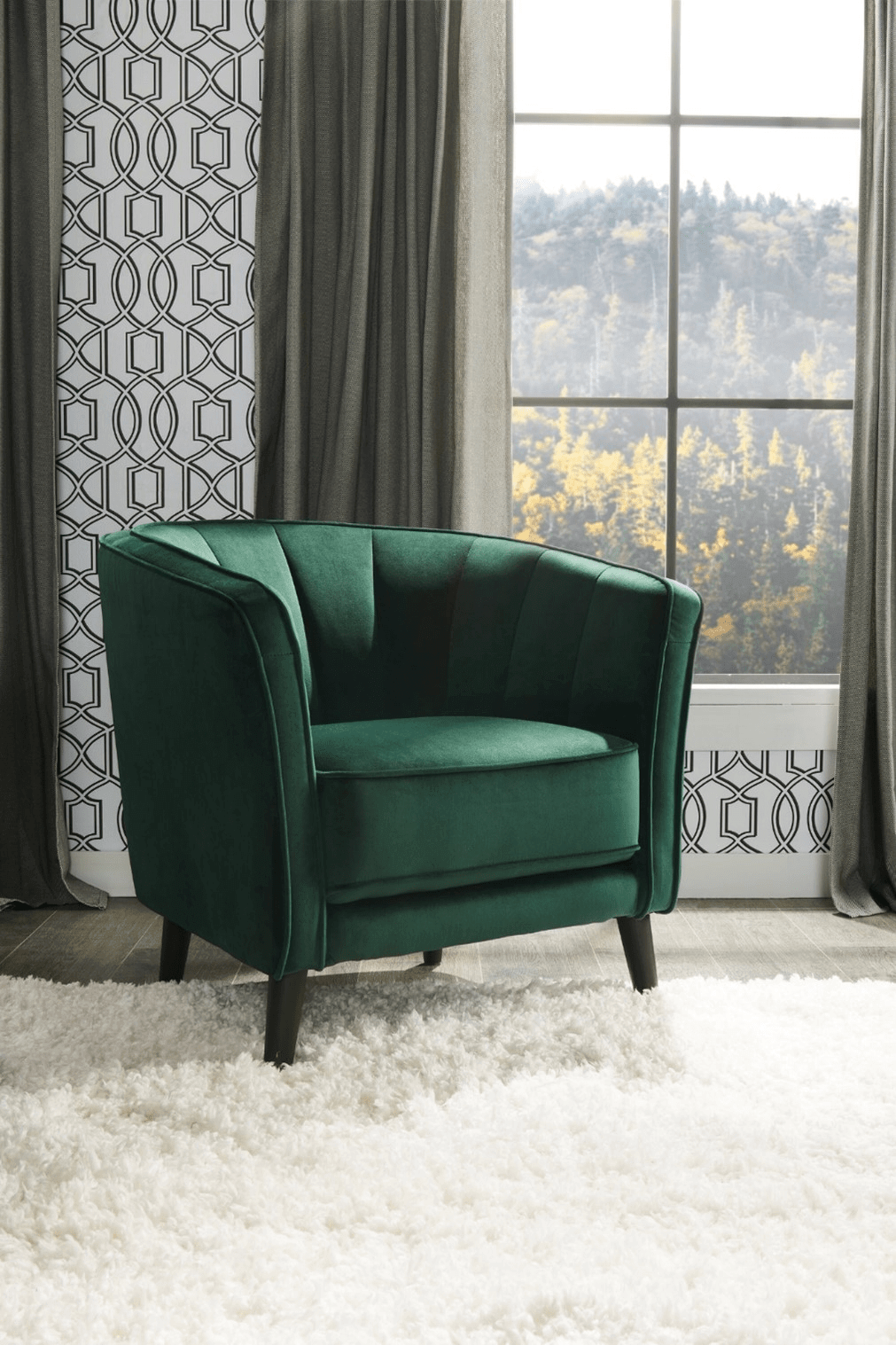
To avoid the fading of fabrics and colours, try to keep the piece of furniture out of direct sunlight. Silk and other delicate fabrics are especially sensitive to this kind of damage. Do your best to maintain proper ventilation in the area, as airborne pollutants can harm your upholstery. Also, fumes from cooking and unpleasant odours from things like litter boxes are easily absorbed into upholstered furniture and can be tough to get out.
Remove Odours
If your upholstered furniture has picked up an unpleasant scent, it does not necessarily signal that the piece is at the end of its life. To remedy this, remove any washable parts, clean them with an appropriate cleaner according to instructions and let dry. Sprinkle baking soda generously on the seating and backrest, making sure to get into crevices and corners. Leave the baking soda treatment on for anywhere between an hour and a day, depending on the severity of the smell. Afterwards, vacuum the entire piece. Repeat the process if necessary.
Now you are equipped with some essential knowledge on how to best preserve and maintain your upholstered furniture. If you have any specific questions, contact one of our Brick stores or chat with us online. Any time you buy furniture from The Brick, you can add our 5 Year Furniture Protection Plan to your purchase. This protection plan provides long term coverage at an affordable price, so you can spend less time stressing and more time enjoying your new upholstery items.
- Kailey Friedrich